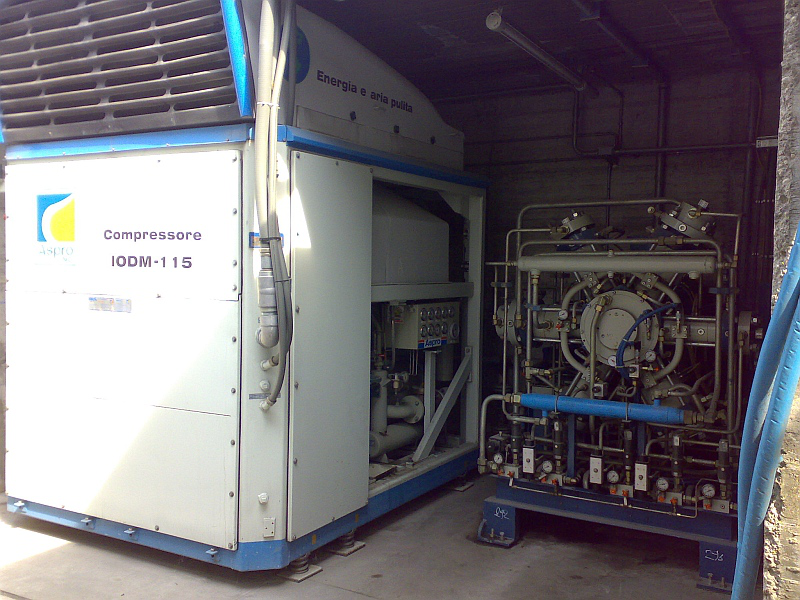
CNG, Hydrogen, Biogas compressors

Modern energy challenges require the use of modern gas compression technologies, which are key in processes such as natural gas transport, biogas production, hydrogen production or industrial gas recovery. In response to these needs, ITGAS inter Tech Gas offers advanced piston compressors that combine high efficiency, reliability and minimal environmental impact.

ITGAS offers:

1. Compressors for CNG (Compressed Natural Gas)

CNG compressors are essential for refueling stations for natural gas-powered vehicles, both on national roads and in long-distance transport. They feature an oil-free compression system, which ensures high gas purity and minimal energy consumption. Various models are available, including horizontal and vertical piston compressors, which can be adapted to specific user requirements.

Oil-free piston compressor with a power output of up to 1200 kW, designed for large natural gas refueling stations and industrial applications.

Compact oil-free compressor with a capacity of up to 400 kW, used in medium-sized CNG installations.

Compressor with a capacity of up to 55 kW, ideal for smaller stations and facilities using CNG.

2. Compressors for biogas and biomethane

  • Compression of raw biogas for purification into biomethane.
  • Injection of biomethane into the gas network.
  • Liquefaction of biomethane.
  • Storage and distribution of biomethane.

Due to the use of oil-free compression technology, these compressors eliminate the risk of gas contamination with process oil, which ensures high quality of compressed gas and contributes to the reduction of greenhouse gas emissions.

3. Hydrogen compressors (Hydrogen Compressors)

Specialized devices for compressing hydrogen to pressures of up to 250 bar, with a design that eliminates the risk of contamination and damage to materials by hydrogen. Used in hydrogen injection into networks, fuel cell power supply, and industrial hydrogen applications.

Hydrogen compressors are key in processes related to hydrogen production and distribution, such as:

  • Compressing hydrogen to high pressures (up to 450 bar).
  • Injecting hydrogen into the gas network.
  • Fuel cell power supply.

They feature a double cylinder architecture with a spacer, which eliminates the need for lubrication and prevents contamination of the process gas. In addition, the use of special materials and seals prevents steel cracking under the influence of hydrogen, ensuring the longevity and reliability of the device.

4. Gas Recovery (Compressors Compressors)

Autonomous, oil-free compressor with a power of up to 7.5 kW, used to recover leaked gases from industrial equipment such as compressor seals or refrigeration systems. Ensures the purity of compressed gas and reduces emissions.Gas recovery compressors are designed to collect gases leaking from industrial equipment such as compressors or refrigeration systems. Thanks to the use of oil-free cylinders, these compressors ensure high-quality compressed gas and contribute to the reduction of greenhouse gas emissions. They are fully autonomous, which allows for easy integration with existing industrial systems.

Why is it worth choosing modern piston compressors?

  • Oil-free compression system: eliminates the risk of gas contamination with process oil.
  • High energy efficiency: optimization of energy consumption.
  • Reliability and long service life: solid construction and modern materials.
  • Flexibility and adaptation to customer needs: ability to configure the device according to specific requirements.
  • Minimal environmental impact: reduction of greenhouse gas emissions and pollutants.

Modern reciprocating compressors are a key element in processes involving the use of industrial gases, supporting energy transformation and contributing to sustainable development.

1. What are CNG compressors and where are they used?

CNG compressors are used to compress natural gas to refuel CNG-powered vehicles. They are essential at fueling stations for passenger cars, trucks and long-distance transport. Thanks to their oil-free design, they ensure high gas purity and minimize energy consumption.

2. What are the applications of biogas and biomethane compressors ?

biomethane compressors are used to compress raw biogas in purification processes, biomethane injection into the gas network, liquefaction, storage and distribution of biomethane . Oil-free technology prevents gas contamination with oil and reduces emissions of harmful substances.

3. What are the characteristics of hydrogen compressors?

Hydrogen compressors enable the compression of hydrogen to high pressures, even up to 450 bar. They have a double cylinder architecture with a spacer space, which eliminates the need for lubrication and protects the gas from contamination. The materials and seals used prevent cracking of the elements under the influence of hydrogen, ensuring long service life.

4. What are gas recovery compressors used for?

Gas recovery compressors collect and compress gases leaking from industrial equipment (e.g. compressors, coolers), which helps protect the environment by reducing greenhouse gas emissions. They are fully autonomous and easy to integrate with existing systems.

5. What does an oil-free compression system mean and what are its advantages?

The oil-free compression system eliminates the need for oil in the compressor cylinders, which prevents contamination of the compressed gas with process oil. This results in cleaner compressed gas and less maintenance.

6. What are the benefits of using modern piston compressors?

Modern piston compressors are characterized by high energy efficiency, reliability, long service life and flexibility of configuration to specific customer needs. They minimize the impact on the environment by reducing emissions and preventing gas leaks.

7. What pressures can be achieved when compressing hydrogen?

Hydrogen compressors can achieve pressures of up to 450 bar, which enables efficient storage and transport of hydrogen and powering fuel cells.

8. Can gas compressors be customized to suit individual customer needs?

Yes, compressors are available in a variety of models and configurations that can be tailored to meet specific application requirements, gas type and customer operational needs.

9. How do compressors impact environmental protection?

Through oil-free technology, minimising greenhouse gas emissions and efficiently recovering leak gases, compressors contribute to reducing the negative impact on the environment.